
Food co-operatives
A food co-op can make fresh, organic and whole foods more affordable and accessible.
Learn about how you can start one and explore these useful resources.
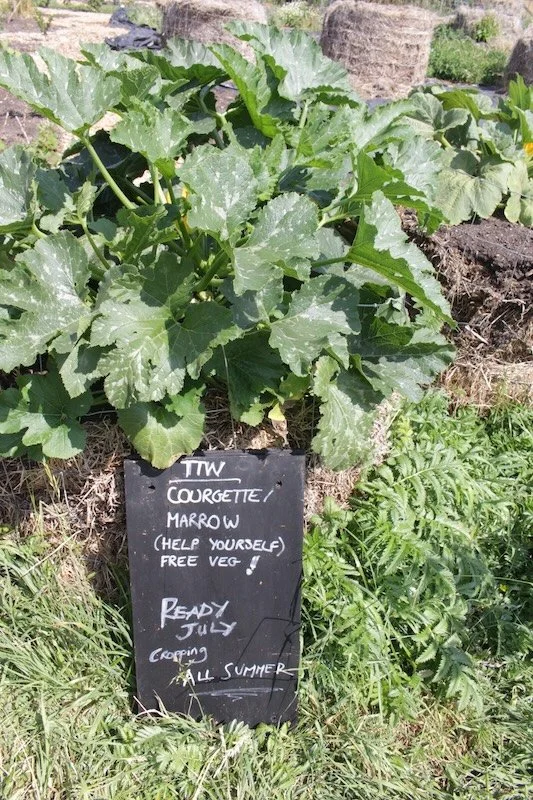
What is a food co-operative?
A food co-operative, sometimes called a food-buying group, is usually run by its members. People decide together what to buy, place orders collectively and share the work of receiving, sorting and distributing food.
Every group is different. Some focus on fresh fruit and vegetables; others offer dried goods, wholefoods, eggs or locally produced food. A co-op might run from a village hall, workplace, school, community centre or someone’s home.
Why start one?
Food co-operatives can help people:
Access good food at a lower cost
Buy more directly from local producers and wholesalers
Have a say in the food they buy
Share skills, tasks and responsibility
Create a regular point for neighbours to meet
How a food co-operative can work
Each food co-operative is organised differently. Some focus on fresh fruit and vegetables; others include wholefoods, dried goods, eggs or locally produced food.
Use a village hall, school, workplace or community venue as a collection point
Arrange collection or delivery rotas
Choose suppliers together and agree what is affordable
Share ordering, sorting, payments and communications between members
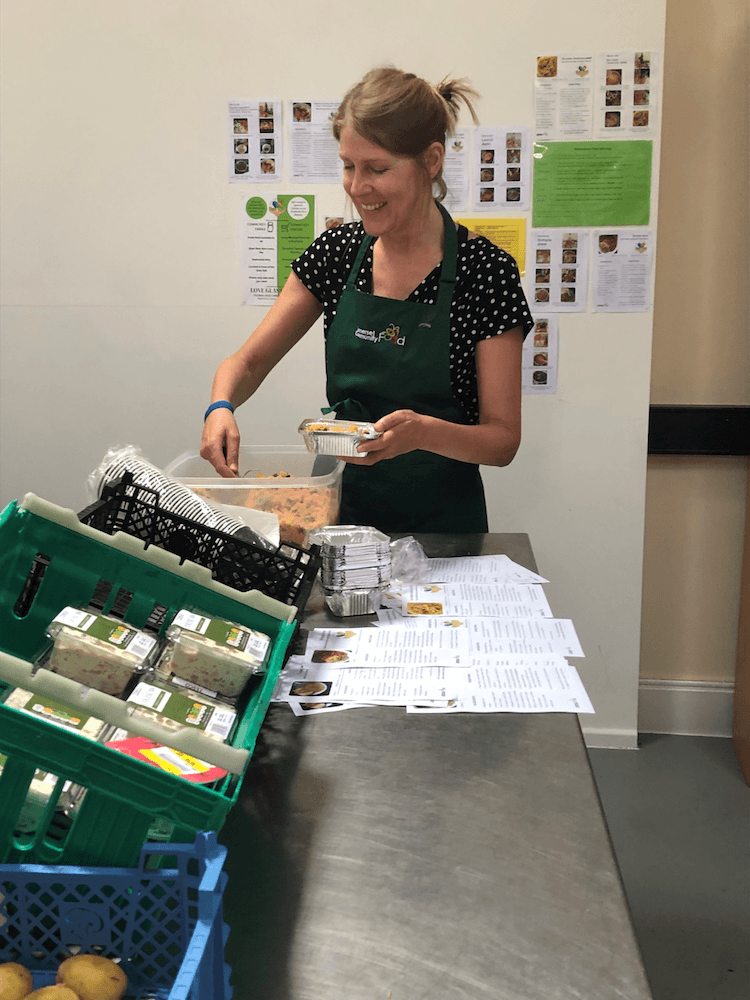
Getting started
Start small. Find a few people who are interested, talk about what food they would like to buy and decide how often you will meet or distribute orders.
You will then need to agree:
Who will coordinate orders and payments
Where food will be delivered, stored and collected
Which suppliers you will use
How you will set prices and cover basic costs
How members can join and take part
A little planning at the beginning makes a group much easier to run. Sustain’s Food Co-ops Toolkit covers planning, volunteers, suppliers, food hygiene, money, promotion and governance — and was produced in partnership with Somerset Community Food. Food Co-ops Toolkit
Producer co-operatives
Co-operatives are not only for food buyers. Producers can work together to share equipment, packaging, marketing, distribution or specialist staff. This can reduce costs and make small-scale food businesses more viable.
Choosing a structure
Some producer co-operatives stay informal while they are small. Once a group is taking on significant contracts, employing people, holding assets or managing substantial income, it may need to become an incorporated organisation.
The structure should reflect who the co-op is for and what it will do:
A co-operative society is designed to benefit its members, with democratic member control.
A community benefit society is for a business that exists primarily to benefit the wider community.
A company limited by guarantee can suit a not-for-profit co-op funded through memberships, grants or loans.
A company limited by shares can suit a commercial co-op where members invest in and own the business.
Decide early who the members are, how decisions will be made, how any surplus will be used, and what should happen to the co-op’s assets if it closes. Co-operatives UK’s legal-form guide explains the options in more detail.
Inspiring examples in Somerset
Elderflowers food co-operative -Open every Friday from 5pm at Eli's (the Rose and Crown) in Huish, Langport. You can buy fresh organically and locally grown veg, Fairtrade fruit, eggs, preserves and dried foods such as pasta, rice, porridge oats.
Bridies Yard. Bridies Yard is a well-established organic food co-operative run by volunteers. It aims to provide affordable organic food for everyone, supplying wholefoods and dry goods by weight alongside local fresh produce.
Useful guides and support
Food Co-ops Toolkit - A detailed, practical guide to setting up and running a community food co-op.
Co-operatives UK - Advice and resources for groups considering a co-operative structure.
Co-operation Town - Practical resources and support for starting a community food co-operative, helping neighbours work together to access affordable food and share decisions about how their group runs.
Portraits of the Solidarity Economy: Food Co-operatives - A short film exploring food co-operatives and the wider solidarity economy, with examples of people working together to make food fairer and more accessible.
Know a food co-operative in Somerset?
If you run a local food-buying group, or know of one we should include, please get in touch.
Last reviewed: July 2026
Food co-operatives vary in how they are organised, what they sell and how they handle money. Check current guidance and local supplier details before setting up or joining a group.