
Food sovereignty & community growing
Food sovereignty is about people having more say in how food is grown, shared and eaten.
It connects good food, care for the environment and fair livelihoods, putting communities, growers and local knowledge at the centre of the food system.
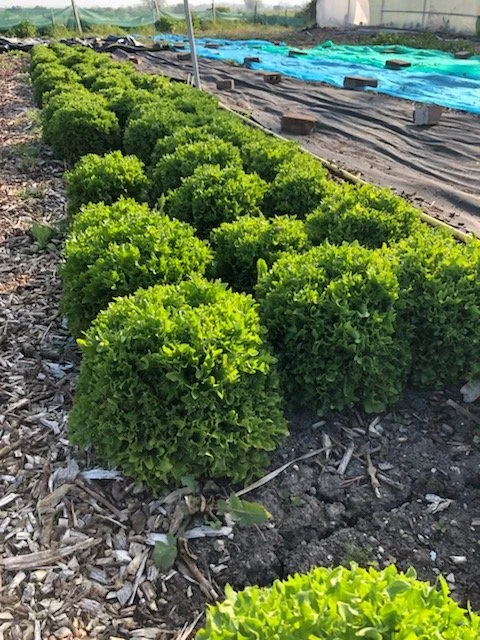
What is food sovereignty?
'Food Sovereignty is the right of peoples to healthy and culturally appropriate food, produced through ecologically sound and sustainable methods, and their right to define their own food and agriculture systems.' Declaration of Nyeleni in 2007.
It is a global movement led by small-scale farmers, growers, food workers and communities, including La Via Campesina. It puts food for people, local decision-making, care for land and seeds, shared knowledge and working with nature ahead of treating food as a commodity.
The principles in practice:
Food for people: Everyone has the right to sufficient, healthy and culturally appropriate food. Food should serve people and communities, not be treated simply as a commodity for agribusiness.
Value food providers: Value, protect and support the people who grow, harvest, catch and prepare food: small-scale farmers, fishers, pastoralists, Indigenous peoples, migrant and agricultural workers. Reject policies that undermine their livelihoods or force them out.
Localise food systems: Bring producers and consumers together in common cause, and keep food decisions close to the people they affect. Resist systems that give remote corporations unaccountable power over food.
Make decisions locally: Communities need meaningful control over land, water, seeds and other resources, with the ability to care for them collectively and sustainably. This includes resisting their privatisation.
Build knowledge and skills: Start with the skills and knowledge of food providers, support locally appropriate research, and pass that knowledge to future generations. Challenge technologies that threaten or contaminate local production systems.
Work with nature: Use diverse agroecological methods that work with ecosystems, reduce external inputs and build resilience to climate change. Reject industrial systems that degrade soils, damage biodiversity and deepen global warming.
Source: Nyéléni 2007 - Forum for Food Sovereignty, 2007, Sélingué, Mali, Synthesis Report.
Growing in shared spaces
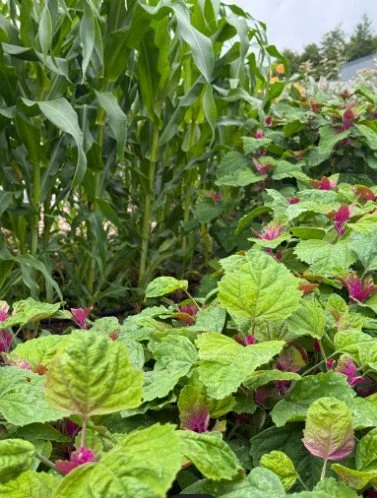
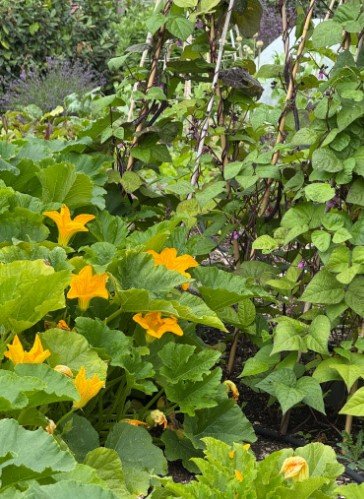
Growing food in visible shared spaces can start conversations, build confidence and make local food part of everyday life.
The term guerrilla gardening is often used for planting on neglected land without formal permission. We encourage groups to take a collaborative approach: speak to landowners, parish or town councils, schools, housing providers or community venues before planting.
This can lead to longer-lasting growing spaces which local people can help to care for, use and enjoy
Ways to take action
Start with a small group of neighbours or friends
Look for a suitable shared space with permission to use it
Create a simple plan for watering, maintenance and harvesting
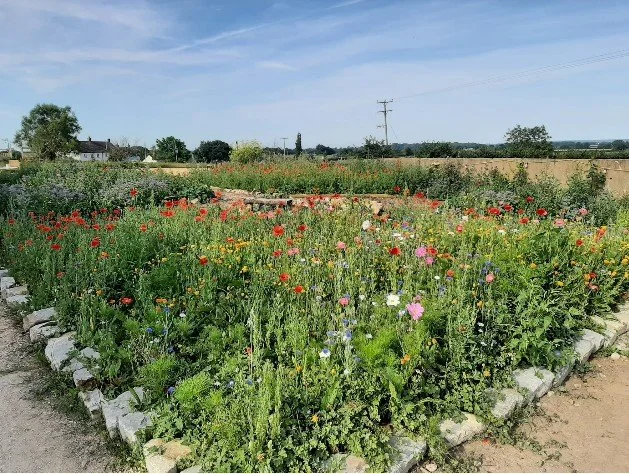
Choose plants that are suitable for the site and useful to local people and wildlife
Make the project visible and welcoming, so others can join in
Share what you grow, learn and make with the wider community
Further resources
Articles, reports and declarations
Books
Food Sovereignty: Reconnecting Food, Nature and Community, edited by Hannah Wittman, Annette Aurélie Desmarais and Nettie Wiebe
Local Food: How to Make It Happen in Your Community, Tazmin Pinkerton and Rob Hopkins
Fatal Harvest: The Tragedy of Industrial Agriculture, edited by Andrew Kimbrell
Related resources
Setting up a growing group
Growing projects map
Networks and organisations
Last reviewed: July 2026
Always seek permission before using land that is not yours, and check that planting plans are safe and suitable for the site.