
Growing food at home
Practical advice for growing fruit and vegetables at home, whether you have a garden, a few pots or just a windowsill.
Find out when to sow, how to grow with less digging, make the most of a harvest and share a garden if you do not have space of your own.
When to start
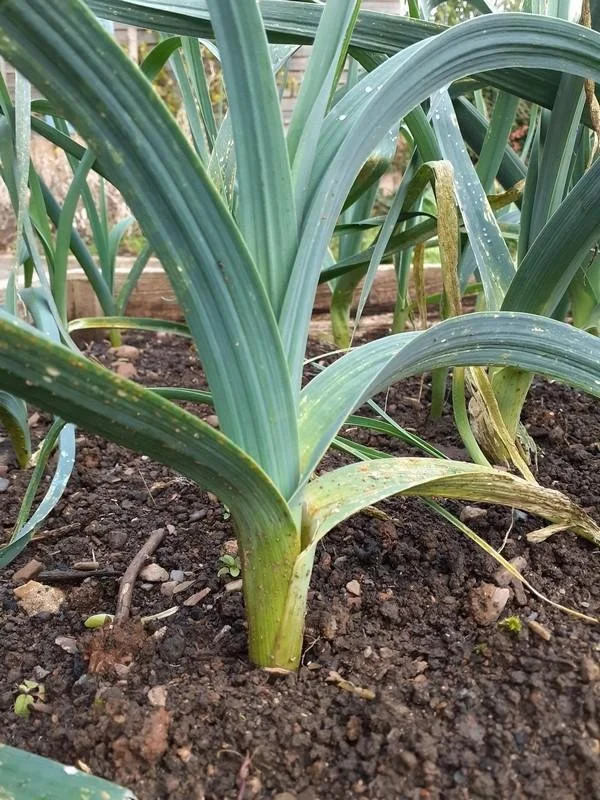
The busiest sowing months are March to May, so plants are ready for harvest between June and September. Buy seeds in advance from garden centres, supermarkets, online suppliers or a local seed swap. Read the packet, prepare your patch or pots, and make a simple plan for what you want to grow.
Itching to get your hands dirty?
There are plenty of things you can do to prepare. Prepare your growing space by removing weeds and covering the soil with a mulch of garden compost or well-rotted manure. Uncover it in February and clear the dead weeds easily, without using chemicals. If you do not have a vegetable patch, you could build some planters ready for spring.
Starting later in the year
You may be worried that you are too late to get growing this year, but read here about the vegetables which can handle late planting and autumn or winter harvests, including rocket, chard, potatoes and carrots.
Grow with less effort
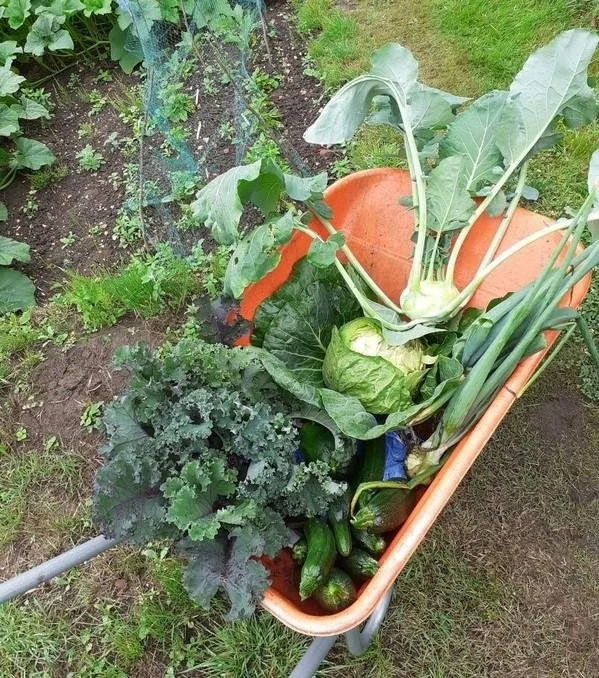
No-dig growing can make food growing easier if you have limited mobility, do not enjoy digging or simply want to disturb the soil less.
The soil is left undisturbed and fed with organic matter on the surface, as happens in nature. This can help maintain drainage and aeration while reducing the work involved in preparing beds.
Growing in a small space?
You can grow food on a windowsill, in pots or in containers.
Windowsill growing
Growing in pots and containers
Make the most of your harvest
Lots of foods can be stored for long periods without losing their quality.
Potatoes. For storing, choose undamaged maincrop potatoes, let them dry and brush off loose soil. Keep them in paper or hessian sacks in a cool, dark, frost-free place, checking regularly for rot.
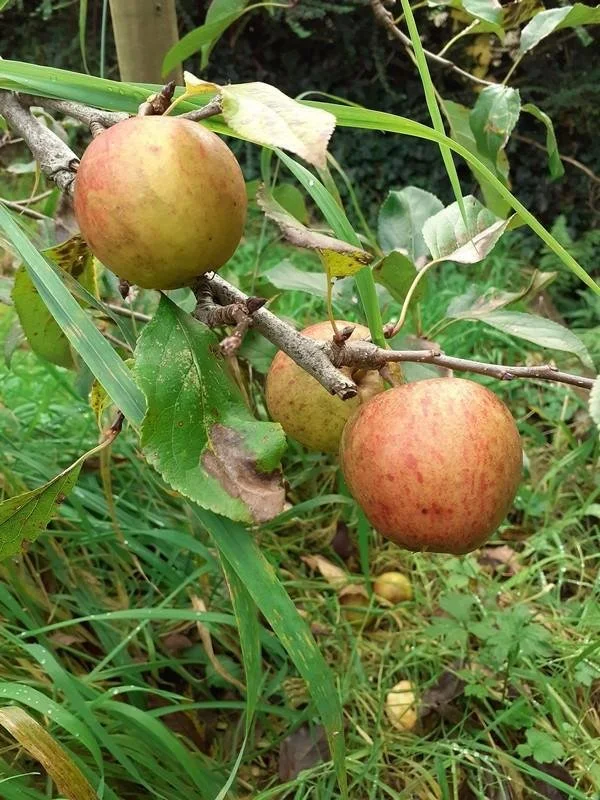
Spare picked apples can be stored in a dark, dry, frost-free space. Check occasionally for mouldy ones. Do not try to store windfall apples, as they will rot.
Squash and pumpkins can be stored in a cool, dark space, ready for winter soups.
Plenty of fruit and vegetables can be frozen and kept for later.
Runner beans and courgettes can grow faster than you can eat them, so slice them before freezing in portions.
Apples can be stewed and frozen. Soft fruit such as raspberries and strawberries can be frozen as picked, once leaves and stalks have been removed.
Tomatoes can be frozen and later used in sauces, bolognese or stews.
Fresh herbs can be picked and frozen, then added straight to sauces while cooking.
Preserving produce
If you fancy getting creative in the kitchen, you could store your produce as preserves.
Soft fruit can be turned into jam when you have an excess.
Vegetables such as runner beans, squash and beetroot can be made into chutneys.
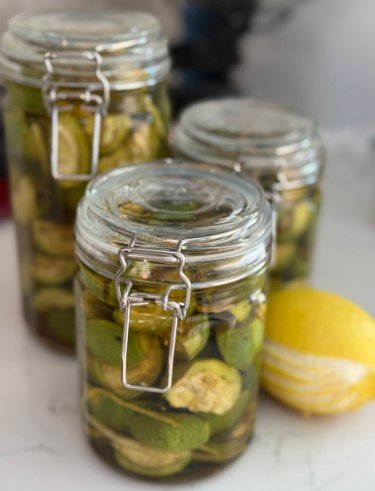
Cabbage, beetroot and courgette are all good for pickling, alongside plenty of other vegetables.
Further advice and garden sharing
More help with growing food
The Royal Horticultural Society provides a comprehensive A to Z of growing fruit and vegetables, taking you through sowing, growing and harvesting. It also includes recipe suggestions, helping you make the most of what you grow.
Garden sharing
If you do not have enough space to grow at home, garden sharing could be an option.
Gardening Together is a garden-share scheme in Frome, linking people with gardens to local people who want to grow food.
How to Grow Your Neighbour’s Own, on page 36 of the Building Local Food Systems Handbook, offers practical guidance on creating a garden-share scheme.
Further garden-share resources

Last reviewed: August 2026
Growing advice, seed availability and garden-share schemes can change. Check local guidance and contact organisations directly before making plans.