
Allotments
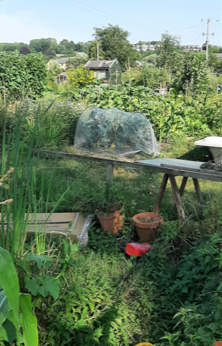
An allotment is a rented growing space, traditionally around 250 square metres. Plots can be smaller, and may be managed by a council, parish or town council, association or private landowner. They give people space to grow food, connect with others and spend time outdoors.
Use this article to find an allotment near you, understand the practicalities of taking on a plot, or learn how to help create a new community allotment site.
Find an allotment near you
Contact your town or parish council, who should be aware of statutory and private allotments locally.
Transition Town Wellington have created a list of Allotments in the Taunton and West Somerset area, with extra detail on number of plots and waiting lists.
Some community allotments and community-minded allotment sites can be found on our growing projects map.
Starting a new allotment site
In starting a new allotment project, you may wish to read our notes on organising in your community as well as the section on finding and securing land. *** (NEEDS LINK) When planning a new site, think about water, accessible paths, toilets, storage and shared spaces from the outset.
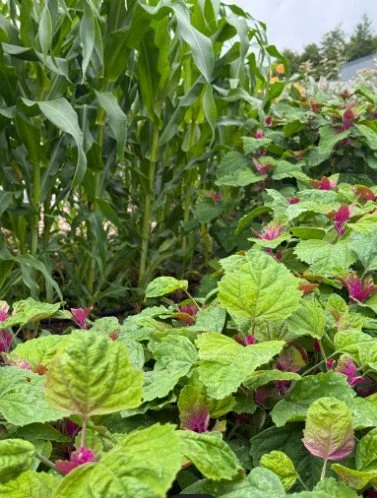
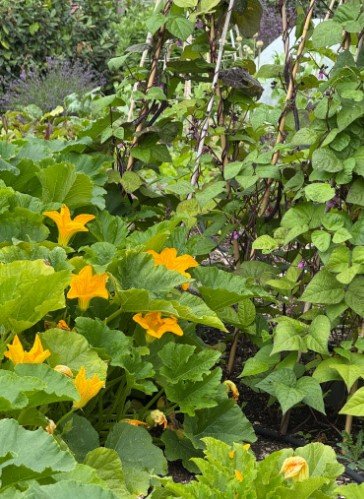
Planning your site
Planning requirements can depend on the site, its previous use, any structures, access and the activities proposed. Before committing to a site, check with the local planning authority whether planning permission or other approvals are needed.
The standard allotment plot in England and Wales is the ’10 pole plot’, which equates to 300 square yards, 250 square metres, or one sixteenth of an acre. The plot is often rectilinear in shape. This size of plot, properly husbanded, should feed a family of four for a year.
Recommended sizes from the National Society of Allotment and Leisure Gardeners are:
• Standard plot size - 250 square metres
• Paths - 1.4m to enable disabled access
• Haulage ways - 3m wide
• Allotment buildings - The sizes below are indicative only and do not establish whether planning permission is required. Check with the local planning authority and your landlord or site manager before installing any structure.
⁃ Plotholder's shed, 12 sq metres
⁃ Greenhouse, 15 sq metres
⁃ Polytunnel, 30 sq metres
Rent, agreements and insurance
Rent: Rent varies widely by location and by the facilities available on site. Budget for water, insurance and shared infrastructure as well as the plot rent.
Legal agreements: Use a written tenancy agreement. It should set out rent, responsibilities, site rules and notice arrangements. Allotment law can apply to some sites, including privately owned sites, so take advice before issuing notices or drawing up agreements.
Insurance: The National Allotment Society offers initial legal and horticultural advice to members. Check its current membership and insurance options to see what is included. They have produced a guide here for 21st Century allotments.
Inspiring examples in Somerset
Forge Rhyne Allotments, near Highbridge. Due to a long waiting list for local allotments a small group of people came together in 2022. After a shout out in the local media they connected with a local landowner. They now rent the land and are established as a co-operative Allotment Society and all plots are taken.
During the Somerset Land and Food Project *** THIS IS A PAGE ON THE OLD SITE, a number of sites got started in Somerset. You can read their stories below.
Diggers Field, Langport: Digger's Field are an Allotment Society near Langport in South Somerset who started in April 2010 to provide affordable access to land where local people can grow their own food. Their local town council didn't have allotments and nearby site in Huish Episcopi had a long waiting list. Now all 26 allotments are let and cultivated.
Lyewater Allotments, Crewkerne: Jason Balfour pulled together a wider group of people and successfully negotiated a free 5 year lease to start Lyewater Allotments. The site is still in active use, more information here.
Lytes Cary Community Allotments, South Somerset
Implementing the National Trust’s “Go Local” campaign aimed at reconnecting people with the land, Simon Larkin saw an opportunity to put this into practice by opening new allotments at National Trust property Lytes Cary. Having seen posters locally calling for space to grow food he saw an opportunity to engage and offer something back to the local community. Cultivation on 40 plots began in March 2010, reconnecting local people with the land and a growing community has evolved.
The 2 plots dedicated for community use welcome active involvement from pre-schools, primary and secondary schools, volunteer working parties and other disadvantaged groups; everyone benefits from using the outdoor space and growing fresh, local produce. The site is also open to all National Trust visitors to Lytes Cary.
Allotment growing advice
Further sources of support & information
South West Counties Allotment Association - low-cost insurance, constitution and policy information
Social Farms and Gardens - tenancy agreement example
Last reviewed: July 2026
Information on planning, tenancy and insurance can change. Please check current guidance with the relevant organisation or local authority before making decisions for a new site.