
Setting up a growing group
Practical guidance for people who want to start a community growing project.
Use this page to move from an initial idea to a group that can get growing, with advice on bringing people together, finding a site and putting practical arrangements in place.
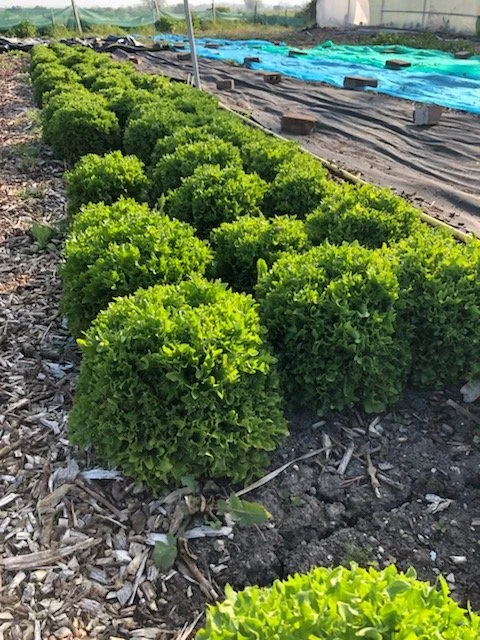
A growing group brings people together to grow food, share skills and care for a local space. It might be a small shared plot, a community garden, an orchard, a communal allotment or a regular gardening session.
Growing groups can be informal or more structured, but they all need a clear purpose, a manageable site and enough people to share the work.
Before you start
Insurance. As a minimum, your group will need public liability insurance. This covers legal costs if someone claims they were injured as a result of your activities. Accidents may seem minor, but they can result in a compensation claim against you.
Public liability insurance is relatively inexpensive, and this should be factored in when considering your group's budget. Search for companies which offer this insurance for community groups and ask for a quote from more than one.
Funding. What are your costs likely to be - both start up and ongoing? Are you renting the land? Do you need to buy any equipment or invest in facilities? It’s a good idea to map these out and identify how you might acquire these funds. You can apply for community grants to help you get started - visit our Funding Opportunities page. It might be useful to think up some exciting fundraising ideas to keep you going along the way.
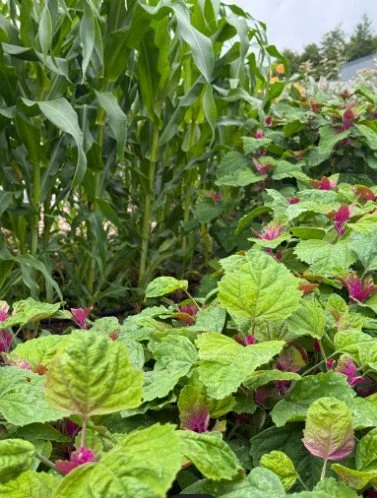
Volunteers. Make sure you have enough hands-on-deck to ensure that no one person (i.e. you!) is left overburdened. Maintaining an allotment or garden can be quite a commitment, as can planning for the year and organising events. It's also good to have other people bring their ideas, skills and experience to the table! There's no one-size-fits-all here, but generally a community growing scheme requires 2-5 committed people to manage it effectively for the long term.
Risk assessment. You will be responsible for the health and safety of participants and you will need to produce risk assessments for your activities and regularly review them. Your assessments will need to be specific to your site and activities, there are resources to guide you:
Thrive - Growing for Life has risk assessment guidance and a sample risk assessment form
Social Farms & Gardens - Health & Safety Checklist (allotments)
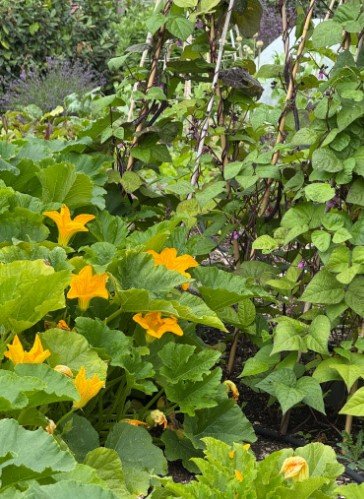
Getting started: Plan, grow and bring people in
Once the basics are in place, a simple growing plan and a clear invitation to get involved will help turn an idea into a project that lasts.
Make a growing plan
Preparation is key. Map out your garden and what you can sow each month; plan where crops will grow, when they will be harvested and how you will keep people involved through the year.
A spreadsheet, a wipeable garden map or a planning app can all help you organise your growing space and share the plan with others.
Spread the word
When you are ready to grow, let people know. Choose the approaches that suit your resources and community:
Word of mouth
Posters and signs
Local businesses
Social media
Public events

How Spark Somerset can help you get started.
Spark Somerset provide information, advice, training and support to charities and community groups. They also offer advice to groups to access funding and also run a volunteer service, inspiring people to get involved and make a difference in their communities. For more information regarding the work of Spark Somerset, and to book a place on forums and training courses please visit: www.sparksomerset.org.uk
To volunteer, or list your volunteering opportunities visit their volunteering portal here.
Join the Facebook page run in partnership with Spark Somerset where you'll join other like-minded people and groups from across the county who use growing and gardening to support positive change in their communities. You'll have the opportunity to learn from other groups, share your success stories, and troubleshoot challenges as a team.
Ready to take the next step?
Starting a growing group is only the beginning. As your ideas develop, there is more detailed guidance available on organising a community project and, where relevant, making land available for growing.
Bristol Food Producers have produced a resource with some useful links (ignore the links that refer to our old website as they will no longer work!)
Last reviewed: Sept 2026
Insurance, funding opportunities, volunteer support and external guidance can change. Check current information directly with the relevant organisation before making commitments.